- Empty cart.
- Continue Shopping


Purple Kush is a legendary cannabis strain known for its striking appearance and potent effects. At Kinnabis, we’re excited to share comprehensive Purple Kush strain info with you.
This guide will cover everything from its genetic origins to cultivation tips, helping you understand why Purple Kush remains a favorite among cannabis enthusiasts. Whether you’re a curious newcomer or a seasoned grower, you’ll find valuable insights in this in-depth exploration.
Where Does Purple Kush Come From?
The Birth of a Legend in Oakland
Purple Kush, a strain that captivates cannabis enthusiasts worldwide, has its roots in Oakland, California. This iconic strain emerged as a renowned pure indica, created by crossing Hindu Kush with Purple Afghani. The creators of Purple Kush set out to combine the best qualities of two renowned indica varieties, resulting in a plant that offers both visual appeal and potent effects.
Hindu Kush, named after the mountain range between Pakistan and Afghanistan, offers resilience and potent relaxing effects. Purple Afghani brings striking purple hues and deep, earthy flavors. The combination of these powerhouse strains resulted in a plant that offers both visual appeal and potent effects.
Genetic Makeup and Unique Traits
The genetic lineage of Purple Kush sets it apart from other strains. As a pure indica, it inherits the best traits from its parent strains:
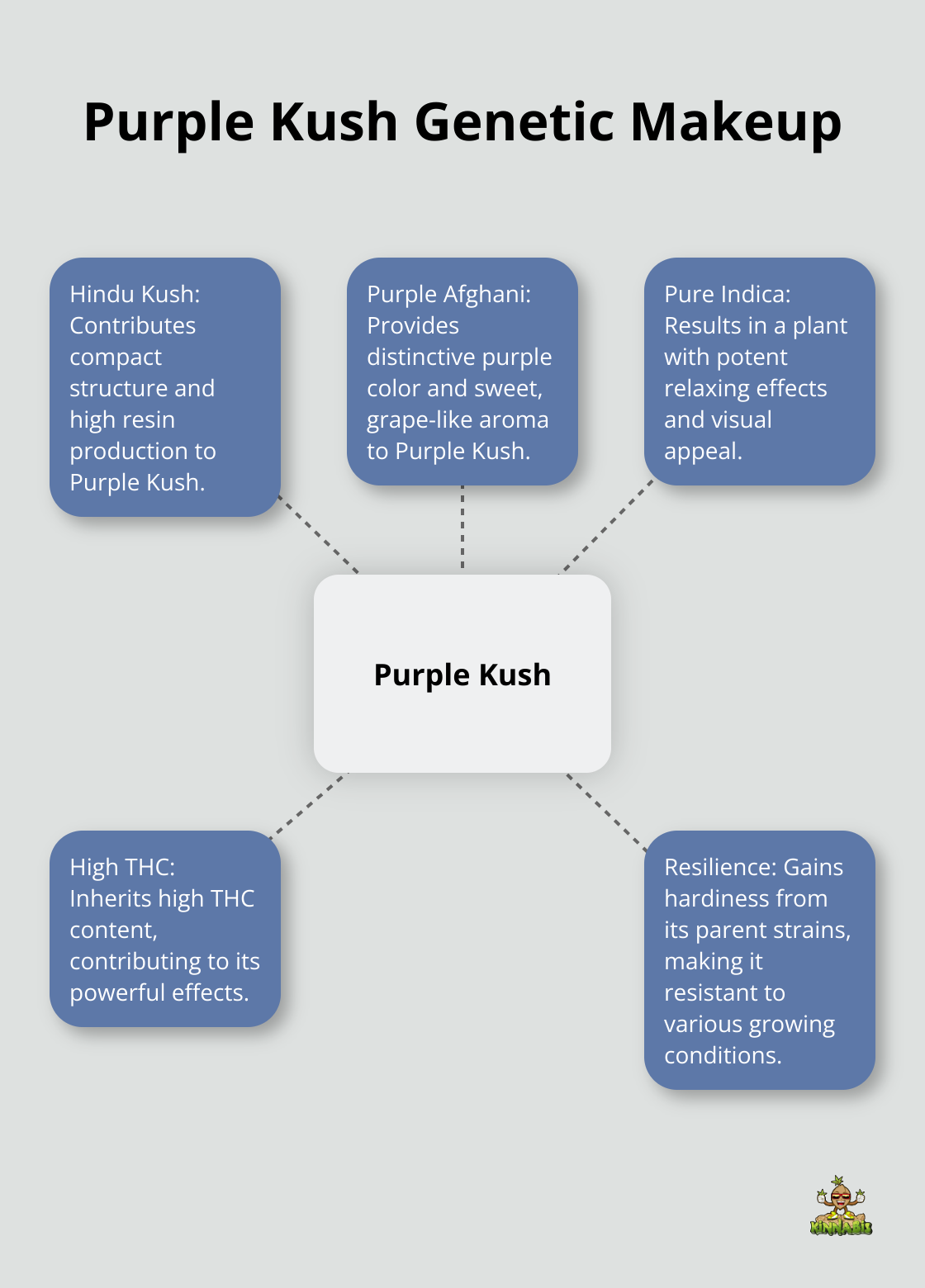
- From Hindu Kush: Compact structure and high resin production
- From Purple Afghani: Distinctive color and sweet, grape-like aroma
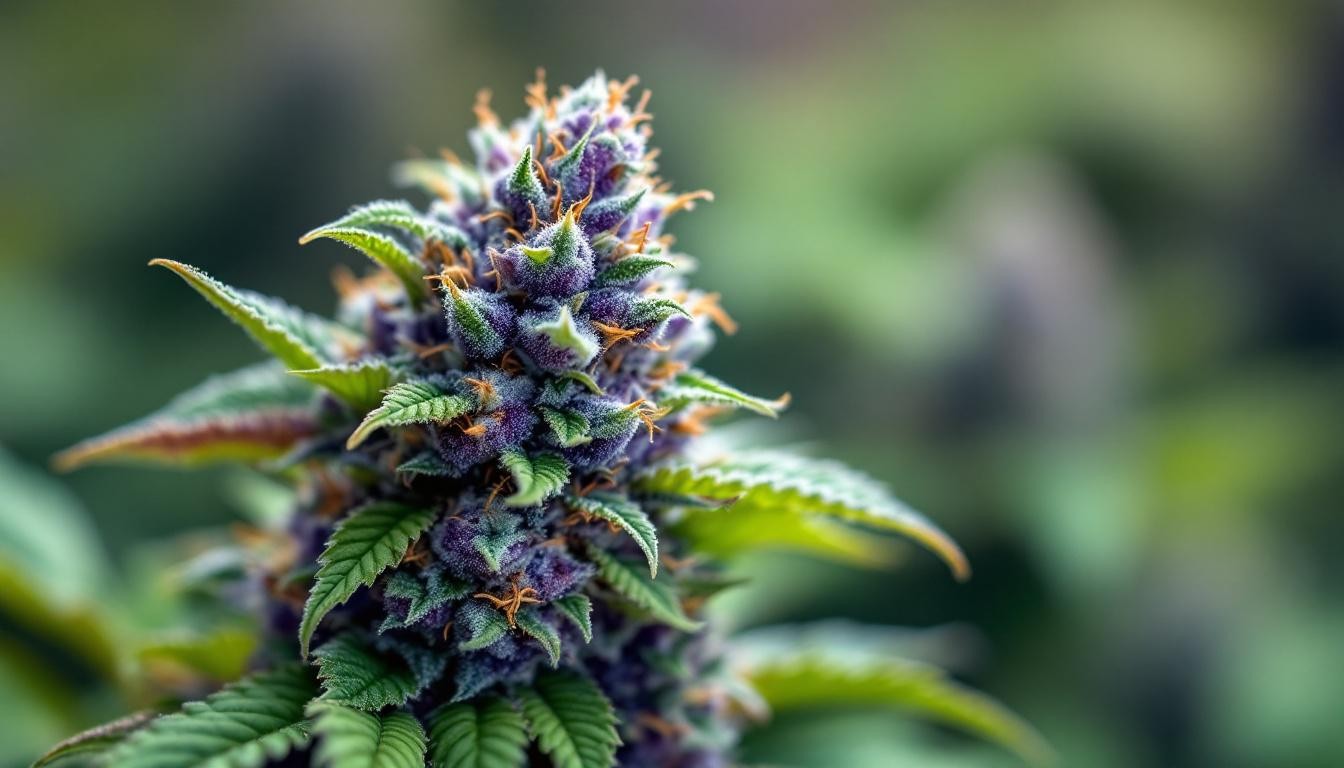
One of the most striking characteristics of Purple Kush is its appearance. The plants typically develop deep purple hues, especially when exposed to cooler temperatures during the flowering stage. This color change occurs due to the presence of anthocyanins (pigments activated by temperature changes). The result is a visually stunning plant with dark purple leaves and buds, accented by bright orange pistils.
A Strain That Stands Out
Purple Kush has gained recognition not just for its looks, but also for its potency. This high THC content contributes to its powerful effects, which we’ll explore in more detail in the next section.
The strain’s unique combination of effects and flavors has earned it numerous accolades. In 2016, High Times magazine recognized Purple Kush as one of the Top 10 Kush Strains, noting its sweet flavor and combination with the lemony power of OG Kush.
Growing Purple Kush
Cultivators who want to experience this legendary strain for themselves can find Purple Kush seeds from reputable seed banks. These seeds should carry the true genetic lineage of Purple Kush, allowing growers to produce plants that embody all the characteristics that have made this strain a favorite among cannabis connoisseurs.
As we move forward, we’ll explore the effects and medical benefits of Purple Kush, providing you with a comprehensive understanding of why this strain continues to captivate cannabis enthusiasts around the world.
What Are Purple Kush’s Effects and Benefits?
A Potent THC Profile
Purple Kush stands out with its high THC content, typically averaging around 22% (according to AllBud). CBD levels remain low, usually below 0.1%. This potent THC profile contributes to the strain’s powerful effects and therapeutic potential.

Full-Body Relaxation Experience
Users of Purple Kush often report a strong, full-body relaxation that can induce a sedative effect. This physical sensation manifests as a warm, numbing embrace that melts away tension and stress. The onset of these effects typically occurs about 2-3 hours after consumption, making Purple Kush an excellent choice for evening use.
The mood effects of Purple Kush complement its physical impact. Many users experience euphoria and happiness, often accompanied by enhanced creativity. Some even report giggly sensations, adding a lighthearted touch to the overall experience.
Therapeutic Applications
Purple Kush’s potent effects make it a popular choice for various medical applications:
- Chronic Pain Relief: There is class 1 evidence that adjunctive use of CBD improves seizure control in patients with specific epilepsy syndromes.
- Insomnia Treatment: The sedative properties of Purple Kush make it effective for those struggling with sleep disorders, promoting deep, restful sleep.
- Stress and Anxiety Management: A recent study investigated the views and experiences Canadian veterans who live with pain have about medicinal cannabis use.
Potential Side Effects
While Purple Kush offers numerous benefits, users should be aware of potential side effects:
- Dry Mouth and Eyes: These are the most commonly reported issues. Staying well-hydrated during use can mitigate these effects.
- Dizziness or Heightened Anxiety: Due to its potency, Purple Kush can sometimes lead to these effects, especially in novice users or those sensitive to THC. Starting with a low dose and gradually increasing as needed is advisable.
- Strong Sedation: The powerful sedative effects make Purple Kush unsuitable for daytime use when alertness is required. Users should plan their consumption for times when they can fully relax without pressing responsibilities.
It’s important to consult with a healthcare professional before using cannabis for medical purposes. While Purple Kush shows promise in various therapeutic applications, individual responses can vary, and responsible use under proper guidance is essential.
As we move forward to explore the cultivation of Purple Kush, you’ll discover how to grow this potent strain and maximize its unique properties. Whether you’re a seasoned grower or a curious beginner, the next section will provide valuable insights into nurturing this legendary cannabis variety.
How to Grow Purple Kush Like a Pro
Creating the Ideal Environment
Purple Kush thrives in a warm, temperate climate, with optimal temperatures ranging between 65-80°F (18-26°C) during the day and slightly cooler temperatures at night. Indoor growers should maintain this temperature range and keep humidity levels around 50% during the vegetative stage. Lower the humidity to 40% during flowering to prevent mold.
Outdoor cultivators should choose a spot with full sun exposure and protection from harsh winds. Purple Kush typically flowers in late September to early October in the Northern Hemisphere.
For indoor cultivation, use high-quality LED or HPS lights to mimic natural sunlight. Set a light schedule of 18 hours on and 6 hours off during the vegetative stage. Switch to 12 hours on and 12 hours off for flowering.
Maximizing Yield and Potency
Purple Kush plants are photoperiod bloomers. This means that shortening the length of light exposure will help them transition to the flowering stage. During this time, provide balanced nutrients. Start with a nitrogen-rich formula during the vegetative stage. Switch to a phosphorus and potassium-heavy mix for flowering.
Indoor growers can expect yields of about 1-1.5 ounces per square foot of grow space. Outdoor plants can produce up to 21 ounces each under optimal conditions.
To boost potency and flavor, consider these techniques:
- Implement a Screen of Green (SCROG) setup to maximize light exposure and bud development.
- Prune regularly to improve air circulation and direct energy to the main cola and top buds.
- Lower nighttime temperatures gradually (by a few degrees) in the final weeks of flowering to enhance purple coloration and trichome production.
Overcoming Common Challenges
Purple Kush resists pests and diseases relatively well, but vigilance remains key. Monitor plants regularly for signs of spider mites or powdery mildew, especially in humid conditions.
Overfeeding is a common mistake with Purple Kush. Start with half-strength nutrients and increase gradually as needed. Watch for signs of nutrient burn on leaf tips.
Bud rot can become an issue, particularly for outdoor growers. Ensure proper air circulation by pruning dense foliage. Consider using preventative organic fungicides.
Advanced Techniques for Experienced Growers
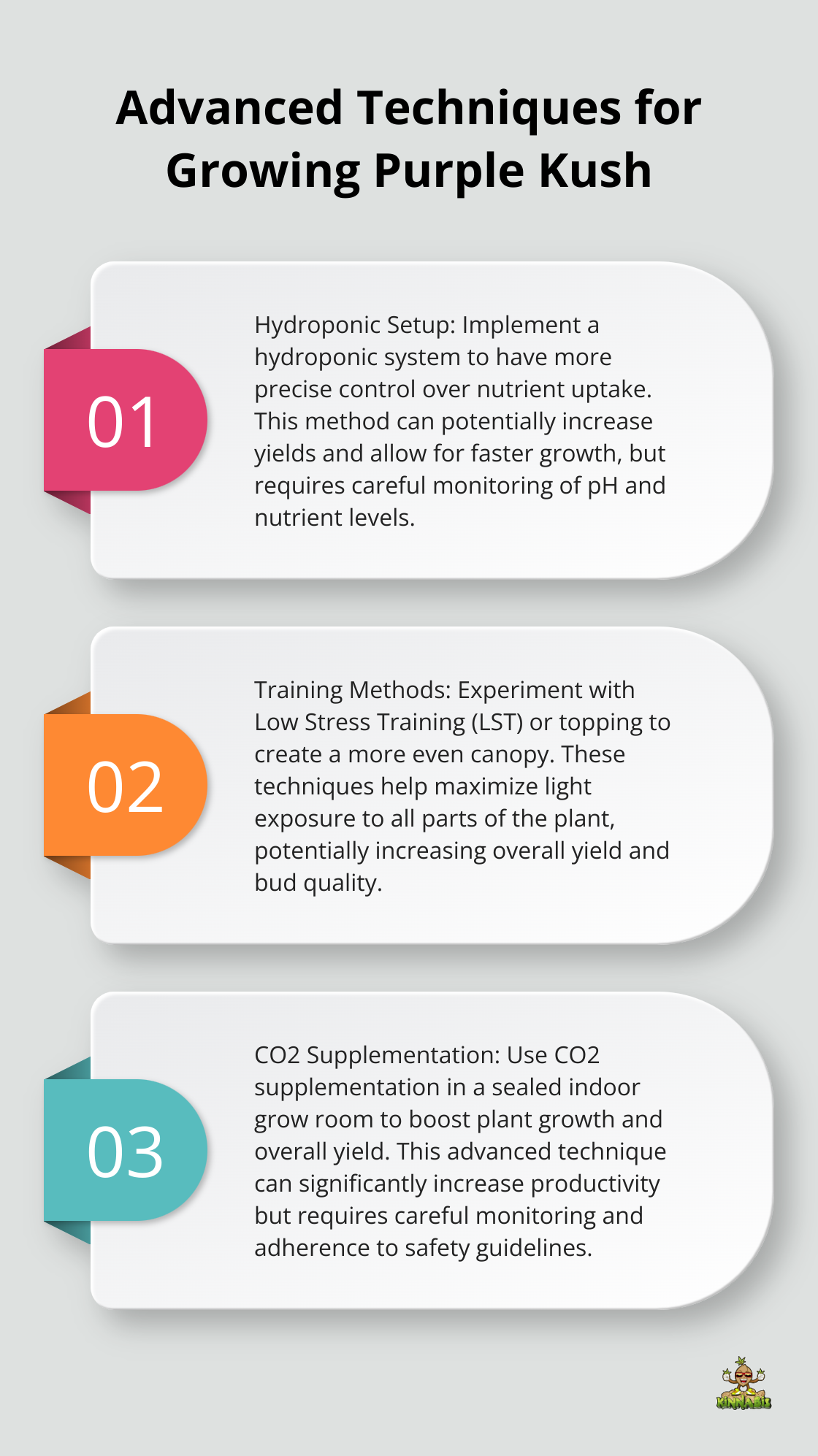
For those looking to push their Purple Kush cultivation to the next level, try these advanced techniques:
Harvesting and Curing Purple Kush
Harvest your Purple Kush when 70-80% of the trichomes have turned milky white (use a magnifying glass to check). This typically occurs 7-8 weeks into the flowering stage.
After harvesting, hang the branches upside down in a dark room with 50% humidity and temperatures around 70°F (21°C). Allow them to dry for 7-10 days.
Once dry, cure the buds in airtight glass jars. Open the jars daily for the first week to release moisture and prevent mold. After that, open them once a week for at least a month to achieve the best flavor and potency.
Final Thoughts
Purple Kush has cemented its status as a legendary cannabis strain. Its striking purple appearance, potent effects, and rich genetic heritage continue to captivate enthusiasts worldwide. This pure indica offers a unique blend of visual appeal and powerful relaxation that attracts both recreational users and medical patients.
Purple Kush strain info reveals its ability to induce euphoria and happiness while providing deep relaxation. The strain’s high THC content and full-body effects make it an excellent choice for stress relief, pain management, and sleep issues. Growers face an exciting challenge with Purple Kush, as it requires careful attention to temperature and humidity levels.
Kinnabis offers high-quality Purple Kush seeds for those interested in growing this iconic variety. With its consistent performance and stunning purple buds, Purple Kush remains a favorite among cannabis enthusiasts for good reason. Its enduring popularity ensures its place among classic cannabis strains for years to come.