
- Empty cart.
- Continue Shopping
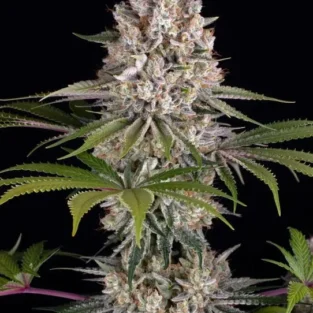
Medicinal Use Cases by Strain Type — Understanding How Different Cannabis Genetics Are Commonly Used
Cannabis is a deeply diverse plant.
Different strains can produce dramatically different aromas, cannabinoid profiles, terpene combinations, and overall experiences. Because of this, many people explore different cannabis genetics for different wellness-focused purposes and lifestyle preferences.
Some cultivars are commonly associated with relaxation and nighttime use. Others are selected for creativity, balance, focus, or mild daytime experiences.
Understanding how strain types, cannabinoids, and terpenes interact can help growers and consumers make more informed decisions when exploring cannabis genetics.
Let’s break it all down.
Important Note About Cannabis and Wellness
Cannabis affects every individual differently.
Factors that may influence the experience include:
- Genetics
- Terpene profiles
- THC and CBD levels
- Tolerance
- Consumption method
- Body chemistry
- Environment and mindset
This article is educational only and does not provide medical advice or treatment recommendations.
Why Different Strains Feel Different
Not all cannabis strains produce the same effects.
A strain’s overall experience is influenced by:
- Cannabinoids
- Terpenes
- Lineage
- Harvest timing
- Cultivation quality
This is why two strains with similar THC percentages may feel completely different.
Indica-Dominant Strains
Indica-dominant cultivars are commonly associated with:
- Deep relaxation
- Evening use
- Calm environments
- Heavy body sensations
Common Wellness-Oriented Associations
Many people choose indica-dominant strains when looking for:
- Relaxation after a long day
- Restful nighttime experiences
- Calm evening routines
- Stress reduction environments
Common Terpenes Found in Indica Strains
- Myrcene
- Caryophyllene
- Linalool
These terpene combinations are often associated with earthy, musky, floral, or kush-style aromas.
Sativa-Dominant Strains
Sativa-dominant cultivars are often associated with:
- Uplifting experiences
- Creativity
- Daytime use
- Social environments
Common Wellness-Oriented Associations
Some people explore sativa-leaning strains for:
- Creative activities
- Daytime functionality
- Energetic environments
- Motivational experiences
Common Terpenes Found in Sativa Strains
- Limonene
- Pinene
- Terpinolene
These strains often feature citrus, tropical, haze, pine, or floral terpene profiles.
Hybrid Strains
Hybrid strains combine genetics from both indica and sativa lineages.
Many modern cannabis strains are hybrids designed to create more balanced experiences.
Common Wellness-Oriented Associations
Hybrid strains are often selected for:
- Balanced daytime/evening use
- Moderate experiences
- Flavor-focused sessions
- Flexible effects depending on the genetics
Some hybrids lean heavily relaxing while others feel more uplifting.
High CBD Strains
CBD-rich genetics have become increasingly popular in wellness-focused cannabis culture.
Unlike THC-heavy strains, CBD-rich cultivars are often associated with:
- Mild psychoactive effects
- Clearer experiences
- Functional daytime use
- Balanced cannabinoid profiles
Common Cannabinoid Ratios
- High CBD / Low THC
- 1:1 THC:CBD
- CBD-dominant profiles
Common CBD-Rich Terpenes
CBD strains can feature a wide variety of terpene combinations including:
- Myrcene
- Pinene
- Caryophyllene
- Limonene
Terpenes and Wellness Experiences
Terpenes play a massive role in how cannabis feels.
Myrcene
Often associated with:
- Relaxation
- Calm evening experiences
Limonene
Often associated with:
- Uplifting moods
- Energetic vibes
Pinene
Often associated with:
- Alertness
- Mental clarity
Linalool
Often associated with:
- Relaxing floral aromas
- Calm nighttime environments
Caryophyllene
Often associated with:
- Warm spice aromas
- Balanced experiences
The Importance of Balance
Modern cannabis culture is evolving beyond simple THC percentages.
Many growers and enthusiasts now prioritize:
- Cannabinoid balance
- Terpene richness
- Aroma complexity
- Flavor profiles
- Overall experience
For many people, the best cannabis experience comes from the right combination of:
- Genetics
- Cannabinoids
- Terpenes
- Responsible use
Cannabis and Personalized Experiences
One strain that feels calming to one person may feel completely different to another.
This is why personal experimentation, moderation, and education are important when exploring cannabis genetics.
Many growers keep journals tracking:
- Strain types
- Terpene profiles
- Cannabinoid ratios
- Personal experiences
- Preferred environments
This helps identify which genetics best match individual preferences.
Why Growers Explore Multiple Strain Types
Many experienced growers cultivate different strain categories for different goals.
Some growers enjoy:
- Relaxing nighttime indicas
- Creative daytime sativas
- Balanced hybrids
- Flavor-rich terpene strains
- CBD-rich genetics
A diverse garden allows growers to explore the full spectrum of cannabis genetics and experiences.
The Future of Wellness-Focused Cannabis Genetics
Modern cannabis breeding continues evolving rapidly.
Breeders are now creating:
- Rare cannabinoid profiles
- Functional daytime cultivars
- Flavor-focused genetics
- Specialized terpene combinations
- Balanced cannabinoid strains
As cannabis research grows, strain selection is becoming more personalized and experience-focused than ever before.
Final Thoughts
Cannabis genetics are incredibly diverse.
Different strain types may offer different experiences depending on:
- Cannabinoids
- Terpenes
- Lineage
- Individual body chemistry
Understanding strain categories helps growers and consumers make more informed choices while appreciating the complexity of the cannabis plant.
At the end of the day, cannabis is not one-size-fits-all.
The best genetics are the ones that align with your personal goals, preferences, and lifestyle.
Educational & Medical Disclaimer
This article is for educational and informational purposes only and is not intended as medical advice, diagnosis, or treatment. Cannabis affects individuals differently. Always consult a qualified healthcare professional regarding any medical concerns or wellness decisions. Follow all local laws and regulations regarding cannabis cultivation and use.